Every job below is one we do ourselves across Canton.
We frame new decks with pressure-treated joists set 16 inches on center, sized to the actual span rather than what looks close enough. Footings go below the frost line and ledger boards get flashed before a single deck board goes down, because that's the spot most decks start rotting first.
Bouncy boards, sagging joists, a ledger pulling away from the house, we see all three most weeks. We pull the deck boards to check the frame underneath before we quote anything, because a repair that only covers the surface doesn't fix a joist that's already soft.
Mississippi humidity turns bare wood gray and soft faster than most people expect. We pressure wash first, let the boards dry out for a couple of days, then apply a stain and sealer rated for the sun and rain we actually get here.
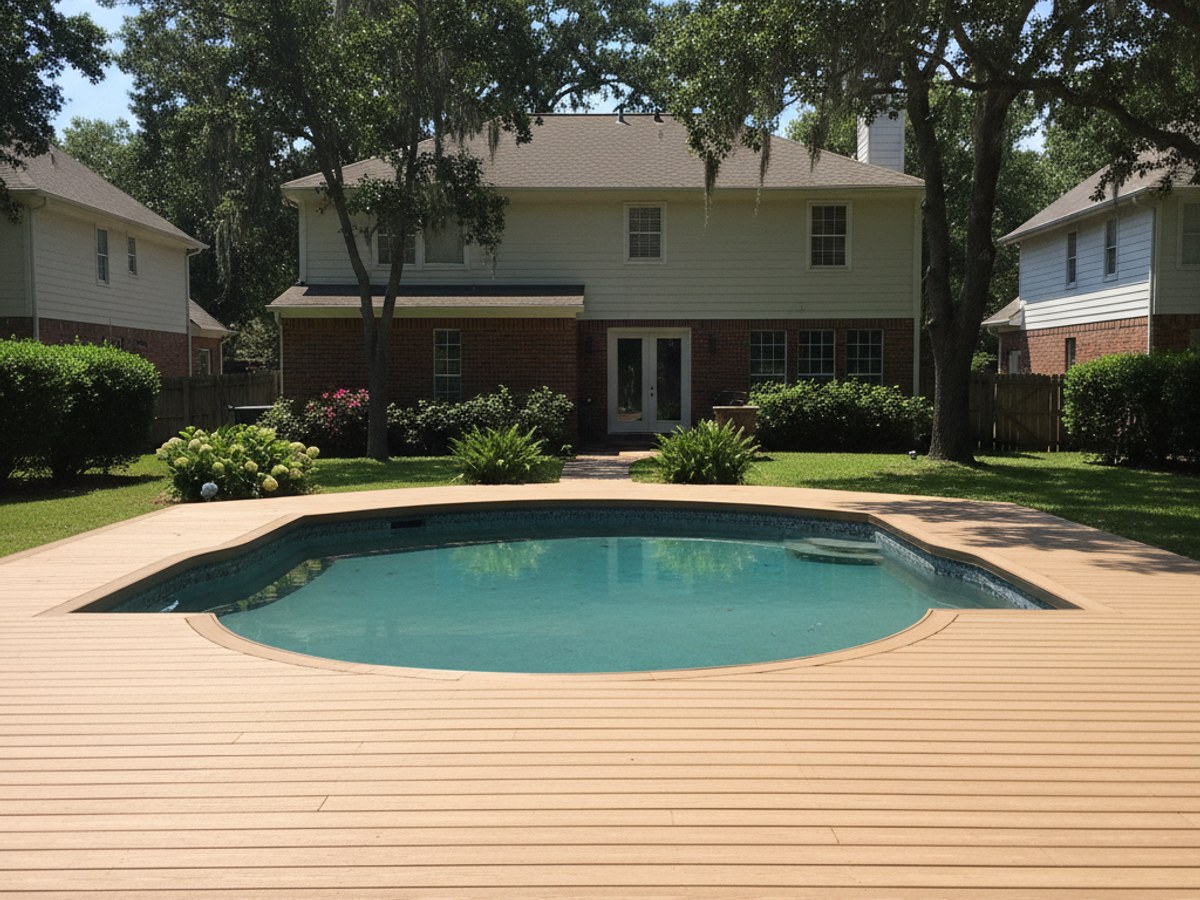
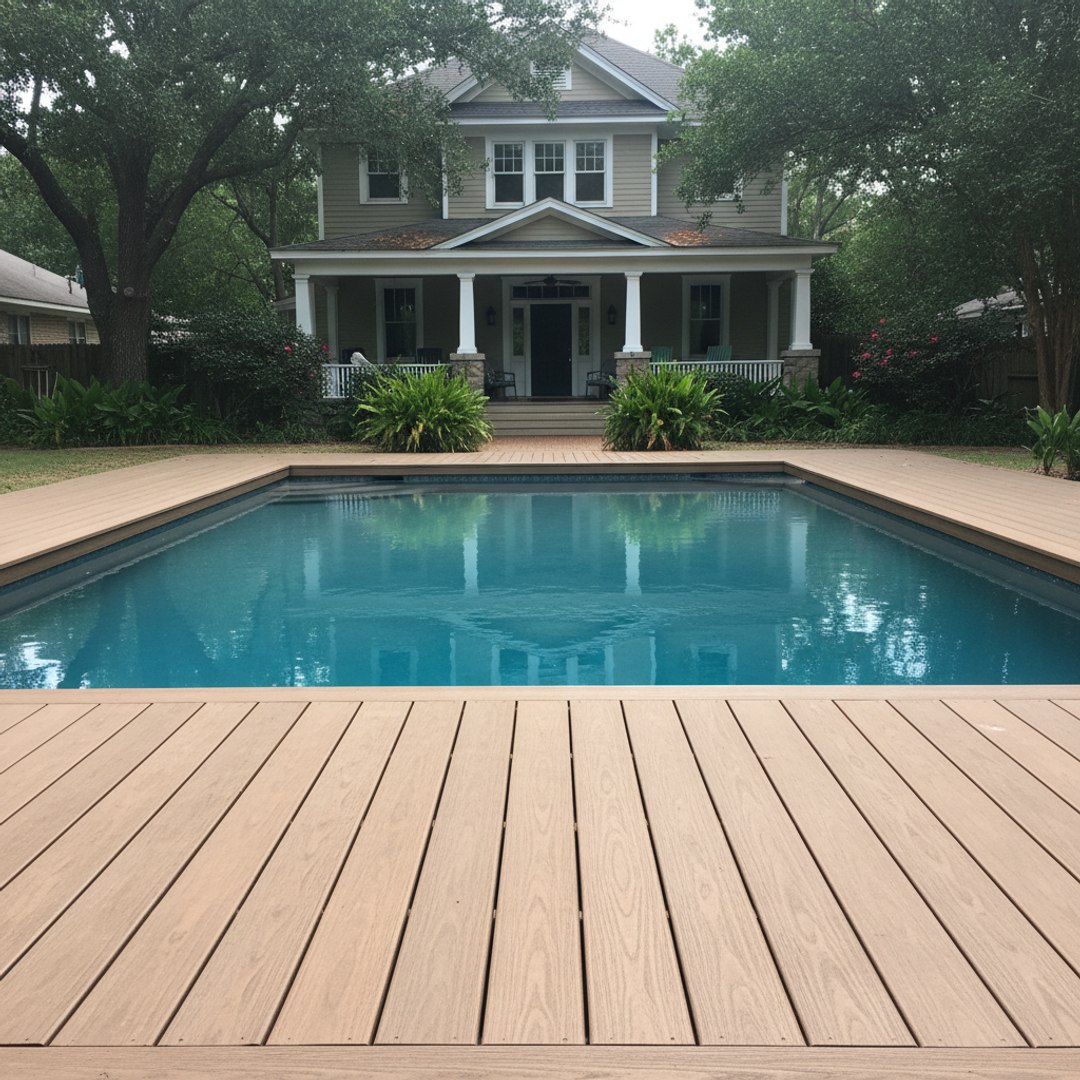
Some decks need to wrap around a pool, step down to a fire pit, or work around a slope that drops a few feet from the back door. We draw it out and check the beam and post spacing on paper before we cut a single board.
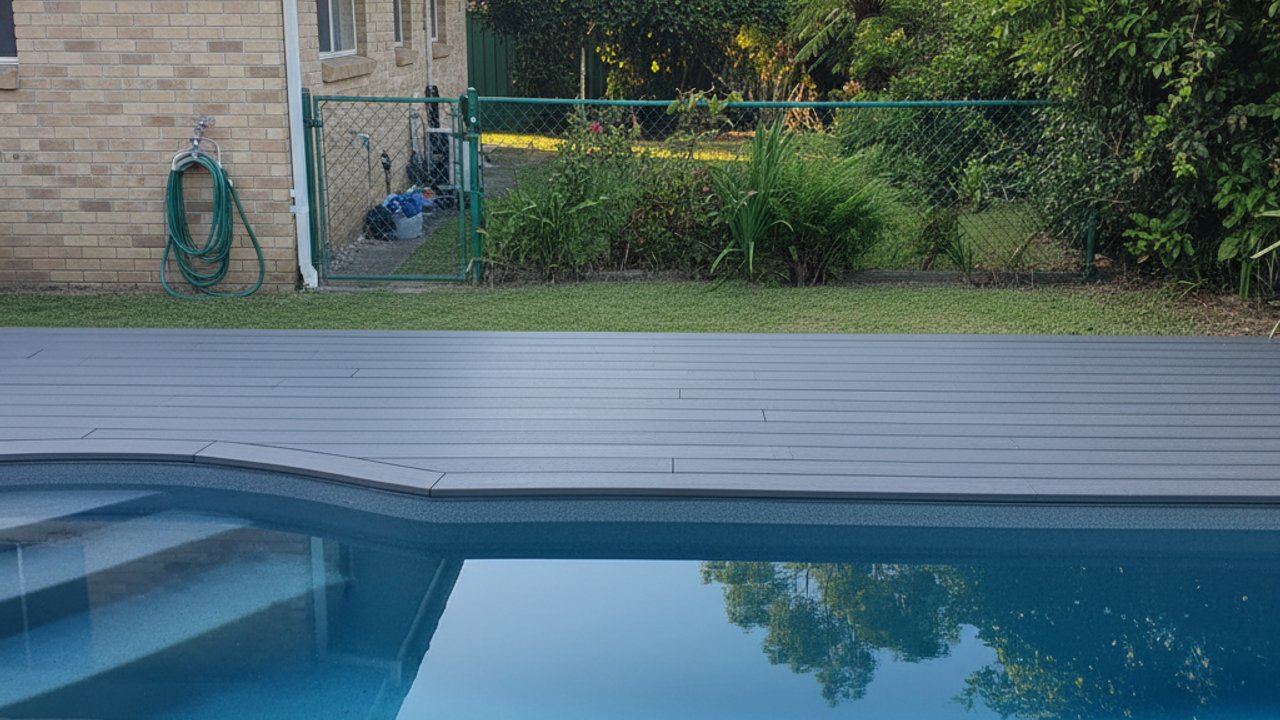
Composite boards like Trex or TimberTech don't rot, but they still need the frame underneath built to spec and hidden fastener systems set straight. We use the same joist spacing rules as wood framing, since composite is heavier and less forgiving of a shortcut frame.
Code calls for guardrails at 36 inches on residential decks with balusters spaced so a 4-inch sphere can't pass through. We build to that spec whether it's wood balusters, cable rail or aluminum, and the posts go into the frame, not just screwed to the fascia board.
A screened deck needs a roof tie-in that doesn't leak into your existing roofline, plus a frame built to carry the weight of screen panels and a door. We flash the roof connection the way we'd flash any addition, since that seam is where screened porches usually leak first.
If the frame underneath is still solid, you don't need a whole new deck, you need new boards. We check every joist for rot and every post for movement before we resurface, so you're not paying to put nice boards on a bad frame.
Old decks come down board by board so we can check the ledger and framing for rot before we haul it off. If water or termite damage got into the house framing behind the ledger, we'll tell you before the new build starts, not after.
If you're buying a house with a deck already on it, or you just don't trust the one you've got, we'll get under it and check the ledger connection, the footings and the hardware. Most deck failures start at a ledger board or a footing that was never poured deep enough, and both are easy to miss from the top.
Four steps, and no surprises in any of them.
You tell us what you want doing, we look at what is actually there, and we ask the awkward questions early.
In writing, itemised, free. If something might add cost later we flag it now rather than at the end.
Same crew throughout. We cover your floors, keep the dust down and tidy up before we leave each day.
You point out anything you are not happy with and we fix it before the invoice, not after.
We haul lumber and equipment to any of these towns without an extra trip charge.
Questions that come up once a deck project is underway.
Describe the problem and we will tell you what it probably is. No obligation.